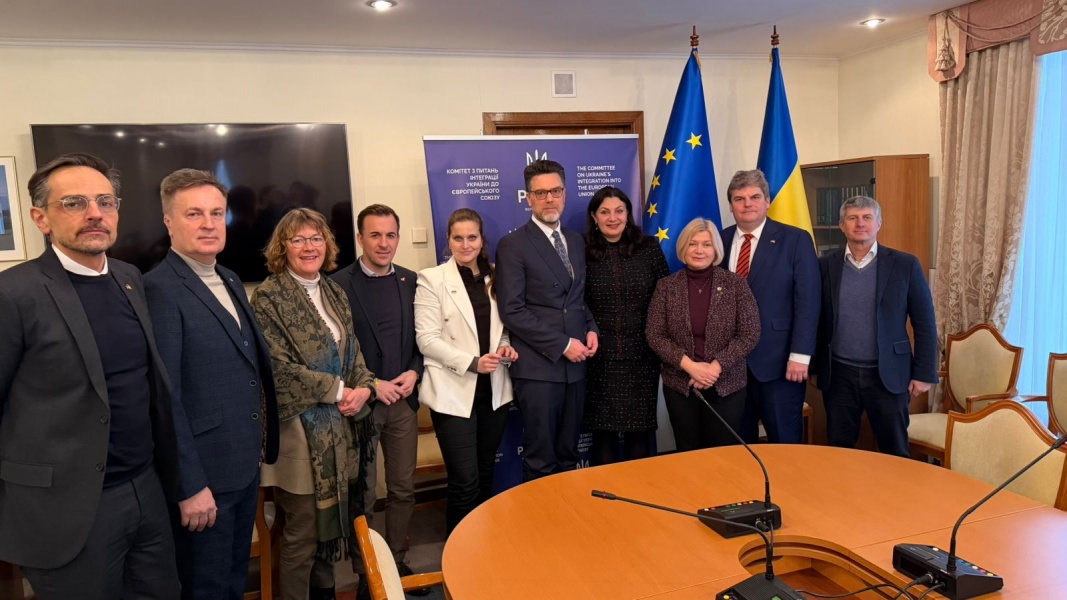
Members of the Verkhovna Rada Committee on Ukraine’s Integration into the European Union met with members of the Bundestag and the German-Ukrainian Parliamentary Friendship Group in the Bundestag, including Robin Wagener (Alliance 90/The Greens), Maja Wallstein (SPD), Lea Reisner (The Left), Bastian Ernst (CDU/CSU), and Rainer Kraft (AfD).
During the meeting, the main focus was on the security situation in Ukraine amid Russia’s massive attacks and genocidal actions against the Ukrainian people. Participants also discussed European integration, reforms, and further coordination of international pressure on the Russian Federation.
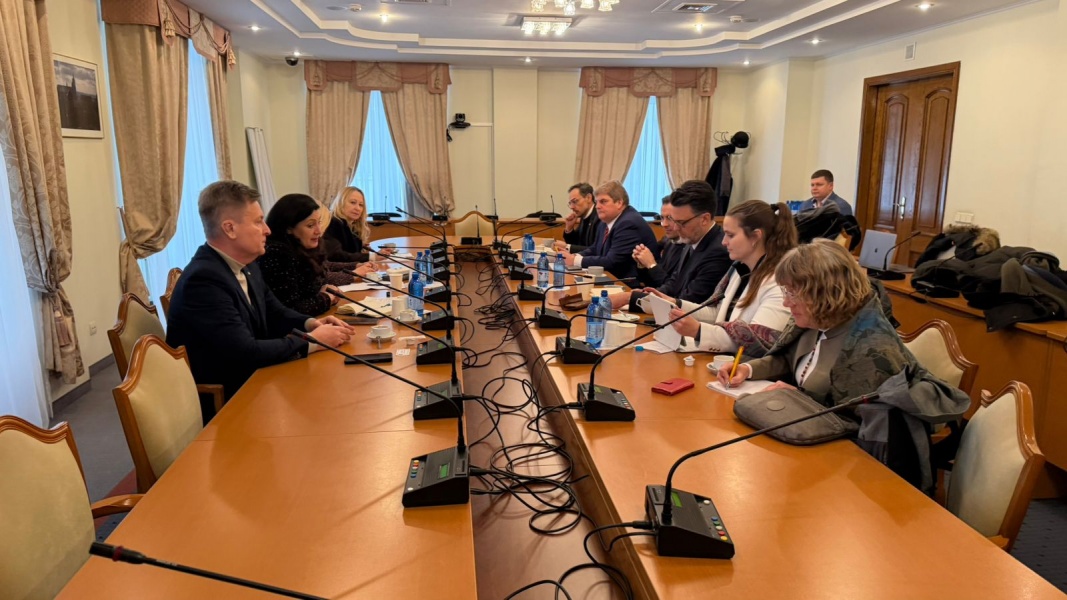
The German colleagues were interested in the sentiments of Ukrainian society, the situation with anti-corruption investigations, and the possibility of holding elections in Ukraine.
The Chair of the Committee on Ukraine’s Integration into the EU, Ivanna Klympush-Tsintsadze, thanked Germany for its support and expressed hope that Germany would continue to demonstrate leadership in supporting Ukraine. According to her, there is now a strong need to actively mobilise societies and partners across Europe in order to strengthen this support. “Ukrainians have demonstrated their readiness to fight for the values we all believe in. And precisely because we have chosen our path, Russia is doing everything it can to ensure that we fail on this path and is trying to destroy us. Ukrainian society needs your support. I believe that the slogan we had during the Revolution of Dignity — ‘Freedom is our religion’ — best describes the mood and spirit of Ukrainians,” the Chair of the Committee said.
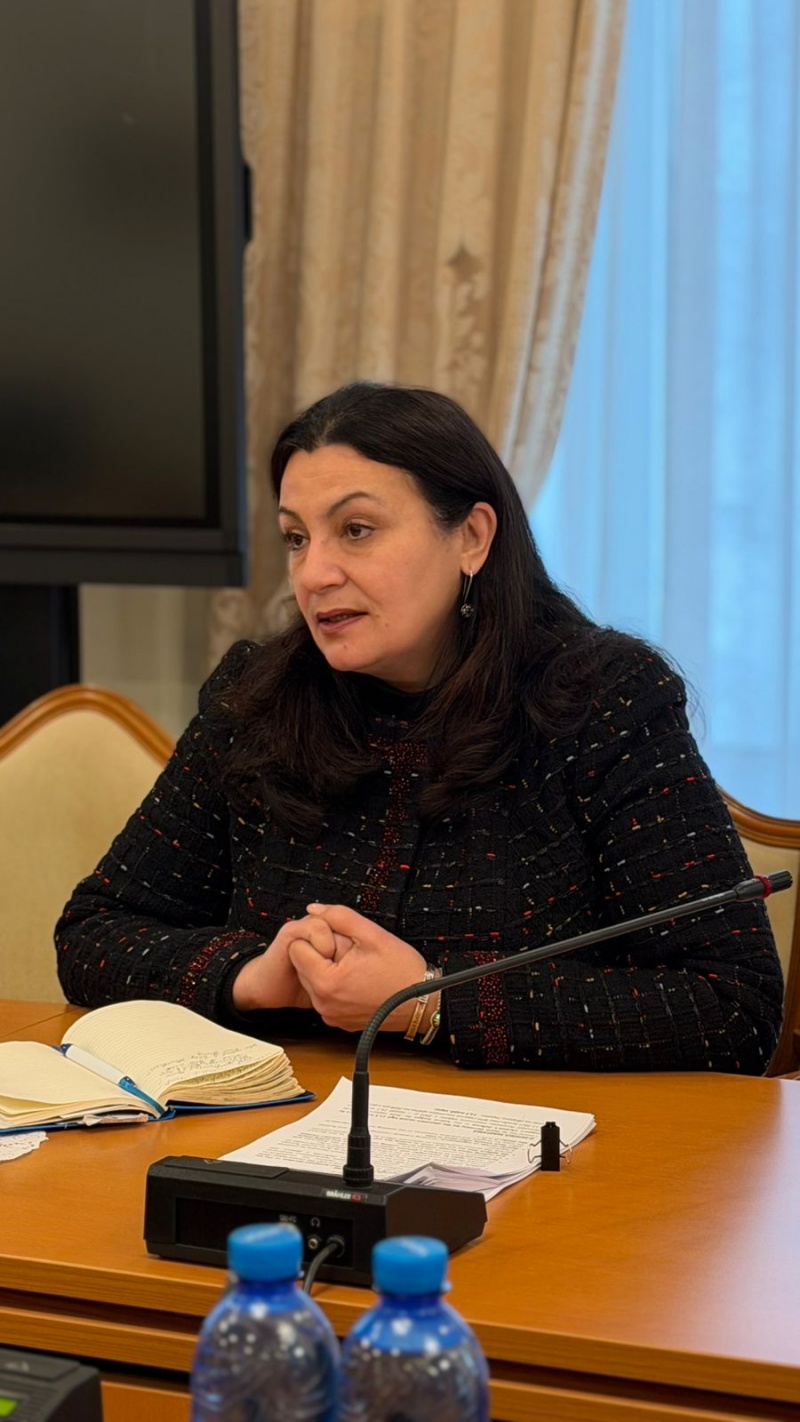
Ivanna Klympush-Tsintsadze also urged German colleagues not to allow themselves to be misled by the so-called peace negotiations regarding Ukraine. “Russia only pretends to participate in these negotiations. This creates a false impression that peace is somewhere just around the corner. In reality, we must continue to increase pressure on the Russian Federation in order to achieve its truly strategic defeat,” she said. She stressed that neither Ukraine’s European nor Euro-Atlantic integration can be a subject of any discussions or bargaining with Russia. Only Ukraine has the right to decide how and when it joins international organisations and alliances.
The Chair of the Committee also emphasised the importance of honest and open dialogue with European partners on the path of European integration. “If we pretend that everything is fine in Ukraine today, we will be doing a disservice first and foremost to ourselves, because it is Ukrainians who seek change. At the same time, we understand that this bloody war also creates an opportunity for truly profound transformations and faster results,” Ivanna Klympush-Tsintsadze said.
She also warned against inflated expectations regarding the timeline of Ukraine’s European integration. According to the Chair of the Committee, it is important to be honest with society about when Ukraine can realistically join the EU and not pretend that this could happen as early as 2027. “Together we must work on realistic timelines for Ukraine’s European integration while at the same time ensuring that it is firmly anchored in our joint actions,” she said.
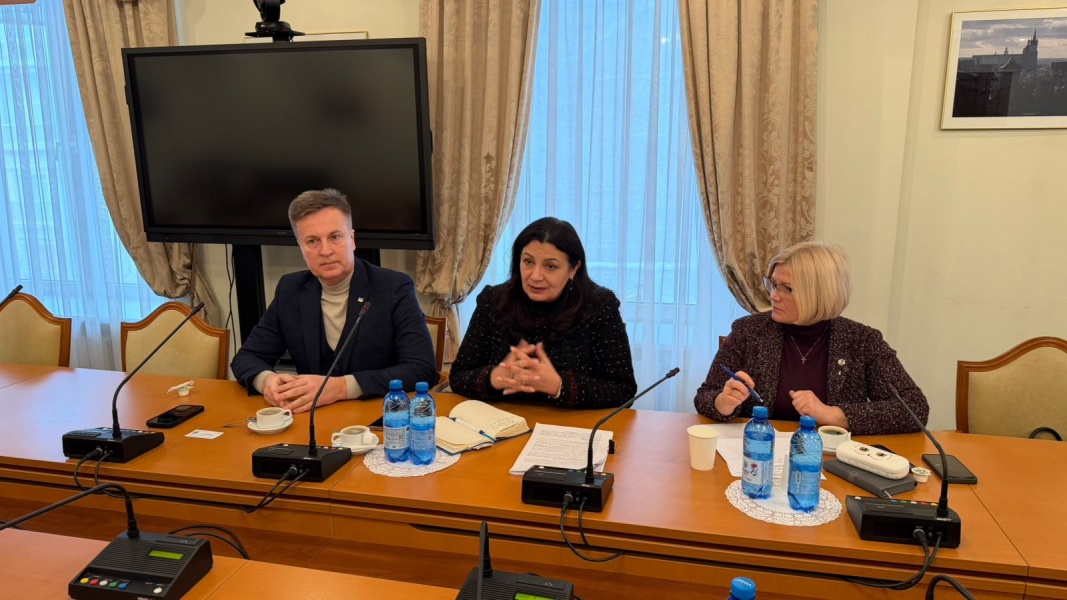
The Secretary of the Committee, Valentyn Nalyvaichenko, drew the attention of German colleagues to areas where Ukraine can share its experience with the EU, particularly cybersecurity and counterintelligence. “In these areas we can contribute to European security, and we are ready to do so,” Valentyn Nalyvaichenko said.
Regarding the possibility of holding elections during the war, Ivanna Klympush-Tsintsadze stressed that this is currently impossible both legally and from a security perspective. “Ukrainians deeply value their right to freely elect their government, and we have successfully practised this over the past decades. However, holding free, fair, and transparent elections under martial law is impossible. It is therefore important that no one falls into this trap invented by Russia. Ukraine cannot afford something that would be called elections but would have nothing in common with real, democratic elections,” Ivanna Klympush-Tsintsadze concluded.
During the meeting, the main focus was on the security situation in Ukraine amid Russia’s massive attacks and genocidal actions against the Ukrainian people. Participants also discussed European integration, reforms, and further coordination of international pressure on the Russian Federation.
The German colleagues were interested in the sentiments of Ukrainian society, the situation with anti-corruption investigations, and the possibility of holding elections in Ukraine.
The Chair of the Committee on Ukraine’s Integration into the EU, Ivanna Klympush-Tsintsadze, thanked Germany for its support and expressed hope that Germany would continue to demonstrate leadership in supporting Ukraine. According to her, there is now a strong need to actively mobilise societies and partners across Europe in order to strengthen this support. “Ukrainians have demonstrated their readiness to fight for the values we all believe in. And precisely because we have chosen our path, Russia is doing everything it can to ensure that we fail on this path and is trying to destroy us. Ukrainian society needs your support. I believe that the slogan we had during the Revolution of Dignity — ‘Freedom is our religion’ — best describes the mood and spirit of Ukrainians,” the Chair of the Committee said.
Ivanna Klympush-Tsintsadze also urged German colleagues not to allow themselves to be misled by the so-called peace negotiations regarding Ukraine. “Russia only pretends to participate in these negotiations. This creates a false impression that peace is somewhere just around the corner. In reality, we must continue to increase pressure on the Russian Federation in order to achieve its truly strategic defeat,” she said. She stressed that neither Ukraine’s European nor Euro-Atlantic integration can be a subject of any discussions or bargaining with Russia. Only Ukraine has the right to decide how and when it joins international organisations and alliances.
The Chair of the Committee also emphasised the importance of honest and open dialogue with European partners on the path of European integration. “If we pretend that everything is fine in Ukraine today, we will be doing a disservice first and foremost to ourselves, because it is Ukrainians who seek change. At the same time, we understand that this bloody war also creates an opportunity for truly profound transformations and faster results,” Ivanna Klympush-Tsintsadze said.
She also warned against inflated expectations regarding the timeline of Ukraine’s European integration. According to the Chair of the Committee, it is important to be honest with society about when Ukraine can realistically join the EU and not pretend that this could happen as early as 2027. “Together we must work on realistic timelines for Ukraine’s European integration while at the same time ensuring that it is firmly anchored in our joint actions,” she said.
The Secretary of the Committee, Valentyn Nalyvaichenko, drew the attention of German colleagues to areas where Ukraine can share its experience with the EU, particularly cybersecurity and counterintelligence. “In these areas we can contribute to European security, and we are ready to do so,” Valentyn Nalyvaichenko said.
Regarding the possibility of holding elections during the war, Ivanna Klympush-Tsintsadze stressed that this is currently impossible both legally and from a security perspective. “Ukrainians deeply value their right to freely elect their government, and we have successfully practised this over the past decades. However, holding free, fair, and transparent elections under martial law is impossible. It is therefore important that no one falls into this trap invented by Russia. Ukraine cannot afford something that would be called elections but would have nothing in common with real, democratic elections,” Ivanna Klympush-Tsintsadze concluded.
More posts by topic
“News”
16 September 2026 12:00
20 April 2026 10:15
16 April 2026 13:30
09 April 2026 11:01
07 April 2026 11:34
24 February 2026 10:38
19 February 2026 10:33
11 February 2026 10:31
09 February 2026 10:29
06 February 2026 10:25