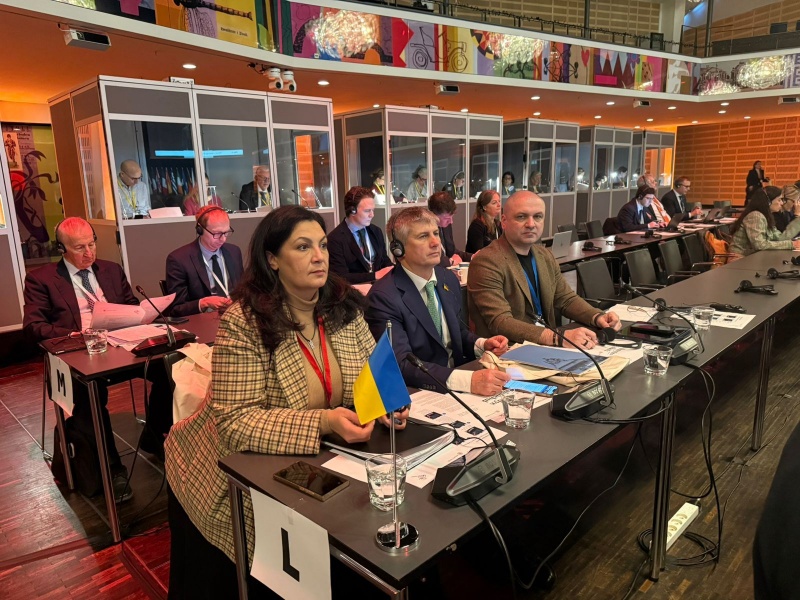
On the margins of the LXXIV COSAC Plenary Meeting in Copenhagen, the delegation of the Verkhovna Rada Committee on Ukraine’s Integration into the European Union held bilateral meetings with representatives of the parliaments of Cyprus, Portugal, and Denmark, as well as with Denmark’s Minister for European Affairs, Marie Bjerre. Numerous informal meetings and exchanges with colleagues from other delegations also took place. During all meetings, Ukrainian parliamentarians briefed partners on the security situation, internal political developments, and key challenges facing Ukraine, including the need to increase military, energy, and financial support.
“We spoke with all our colleagues about the need for additional mobilization and for focusing efforts on explaining to their societies the risks, challenges, and threats posed by the Russian Federation. At the same time, we stressed the urgent need to strengthen their own defence capabilities and to continue supporting Ukraine, even when it may seem to contradict the well-being of their citizens. In reality, the well-being of their citizens depends on whether they are able to jointly support Ukraine sufficiently so that we can withstand this war and prevent the aggressor from redrawing borders and destroying the remnants of the international legal order,” said Ivanna Klympush-Tsintsadze, Chair of the Verkhovna Rada Committee on Ukraine’s Integration into the EU.
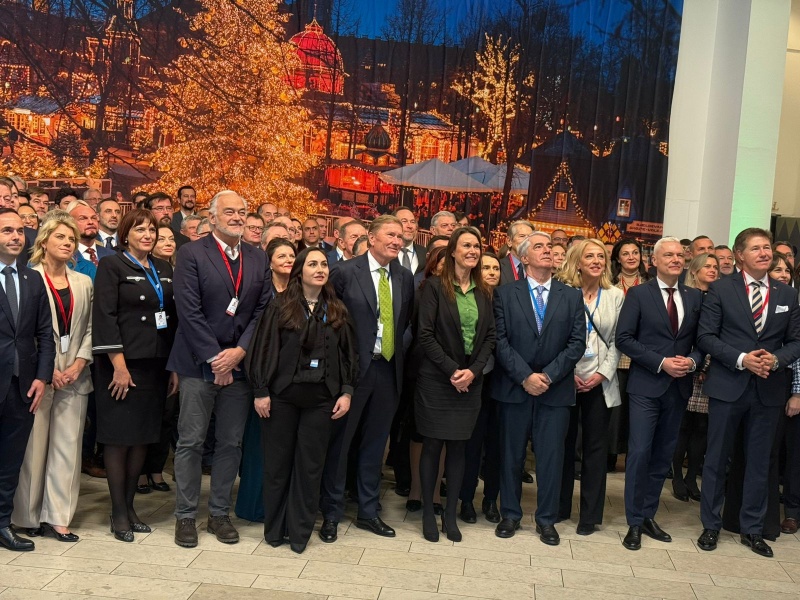
The COSAC Plenary Meeting took place during another round of negotiations between Ukraine and the United States of America. “It was evident that much of our colleagues’ attention was focused on the potential possibility of ending this war, and it was necessary to explain that it is a mistaken expectation to believe that the end of the war is near. Russia’s plans and objectives have not only failed to change, but have in fact worsened, including through the ongoing so-called hybrid attacks it carries out against countries across the European continent,” Ivanna Klympush-Tsintsadze said. She emphasized that the danger of hybrid attacks is currently significantly underestimated in Europe and that the very definition of hybrid attacks requires review and rethinking in order to respond to them adequately and effectively.
Internal political challenges in Ukraine were also discussed during the meetings. “Our colleagues were interested in how the Ukrainian side sees a response to public demand for anti-corruption investigations. All of our counterparts who are ready to continue acting actively and providing assistance want to have convincing arguments for their societies that Ukraine has drawn conclusions from corruption scandals and will be able to address these challenges as effectively as possible not only in the judicial and legal domains, but also in the political one,” the Chair of the Committee noted.
Considerable attention was also paid to the continuation and expansion of cooperation in the defence sector, the need to further advance Ukraine’s European integration track, and the importance of adopting decisions on financial support instruments, in particular a “reparations loan” funded by frozen Russian assets. European parliamentarians assured their Ukrainian colleagues of sustained support and emphasized the importance of a just peace and consistency in fulfilling commitments to Ukraine. “Many politicians from different European Union member states and delegations with whom we met are focused on the issue of Ukrainian children illegally deported to Russia. They sincerely want to help bring them back home,” Ivanna Klympush-Tsintsadze said.
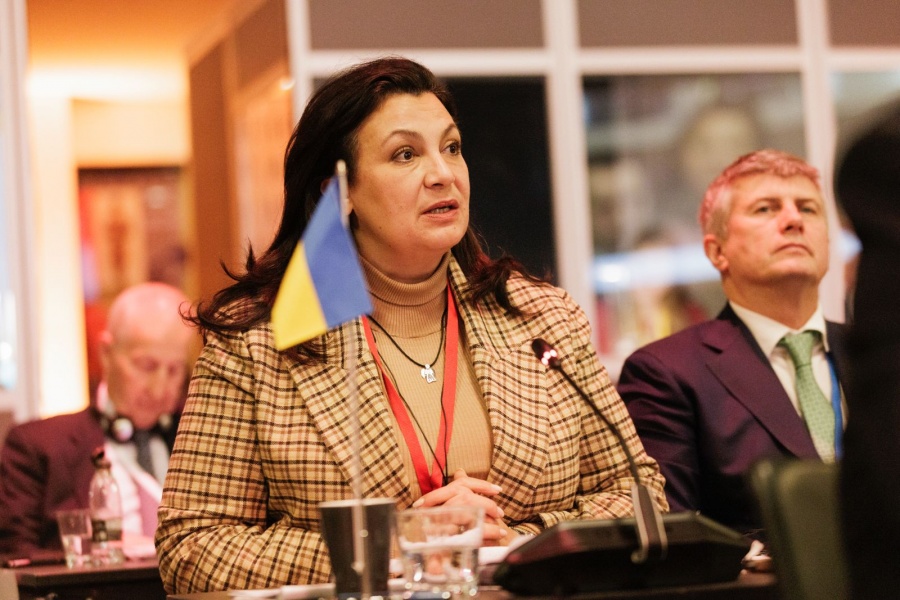
The delegation of the Verkhovna Rada Committee on Ukraine’s Integration into the EU invited European MPs who have not yet visited Ukraine to do so in person. “We encouraged them to visit Ukraine at the invitation of our Committee and are convinced that each such visit provides additional personal arguments for politicians in their communication with their societies and for continuing and strengthening support for Ukraine,” the Chair of the Committee concluded.
“We spoke with all our colleagues about the need for additional mobilization and for focusing efforts on explaining to their societies the risks, challenges, and threats posed by the Russian Federation. At the same time, we stressed the urgent need to strengthen their own defence capabilities and to continue supporting Ukraine, even when it may seem to contradict the well-being of their citizens. In reality, the well-being of their citizens depends on whether they are able to jointly support Ukraine sufficiently so that we can withstand this war and prevent the aggressor from redrawing borders and destroying the remnants of the international legal order,” said Ivanna Klympush-Tsintsadze, Chair of the Verkhovna Rada Committee on Ukraine’s Integration into the EU.
The COSAC Plenary Meeting took place during another round of negotiations between Ukraine and the United States of America. “It was evident that much of our colleagues’ attention was focused on the potential possibility of ending this war, and it was necessary to explain that it is a mistaken expectation to believe that the end of the war is near. Russia’s plans and objectives have not only failed to change, but have in fact worsened, including through the ongoing so-called hybrid attacks it carries out against countries across the European continent,” Ivanna Klympush-Tsintsadze said. She emphasized that the danger of hybrid attacks is currently significantly underestimated in Europe and that the very definition of hybrid attacks requires review and rethinking in order to respond to them adequately and effectively.
Internal political challenges in Ukraine were also discussed during the meetings. “Our colleagues were interested in how the Ukrainian side sees a response to public demand for anti-corruption investigations. All of our counterparts who are ready to continue acting actively and providing assistance want to have convincing arguments for their societies that Ukraine has drawn conclusions from corruption scandals and will be able to address these challenges as effectively as possible not only in the judicial and legal domains, but also in the political one,” the Chair of the Committee noted.
Considerable attention was also paid to the continuation and expansion of cooperation in the defence sector, the need to further advance Ukraine’s European integration track, and the importance of adopting decisions on financial support instruments, in particular a “reparations loan” funded by frozen Russian assets. European parliamentarians assured their Ukrainian colleagues of sustained support and emphasized the importance of a just peace and consistency in fulfilling commitments to Ukraine. “Many politicians from different European Union member states and delegations with whom we met are focused on the issue of Ukrainian children illegally deported to Russia. They sincerely want to help bring them back home,” Ivanna Klympush-Tsintsadze said.
The delegation of the Verkhovna Rada Committee on Ukraine’s Integration into the EU invited European MPs who have not yet visited Ukraine to do so in person. “We encouraged them to visit Ukraine at the invitation of our Committee and are convinced that each such visit provides additional personal arguments for politicians in their communication with their societies and for continuing and strengthening support for Ukraine,” the Chair of the Committee concluded.
More posts by topic
“News”
16 September 2026 12:00
20 April 2026 10:15
16 April 2026 13:30
09 April 2026 11:01
07 April 2026 11:34
24 February 2026 10:38
19 February 2026 10:33
11 February 2026 10:31
09 February 2026 10:29
06 February 2026 10:25