Ivanna Klympush-Tsintsadze Participates in the Work of the Ukraine–NATO Interparliamentary Council in Slovenia
13 October 2025, 16:50
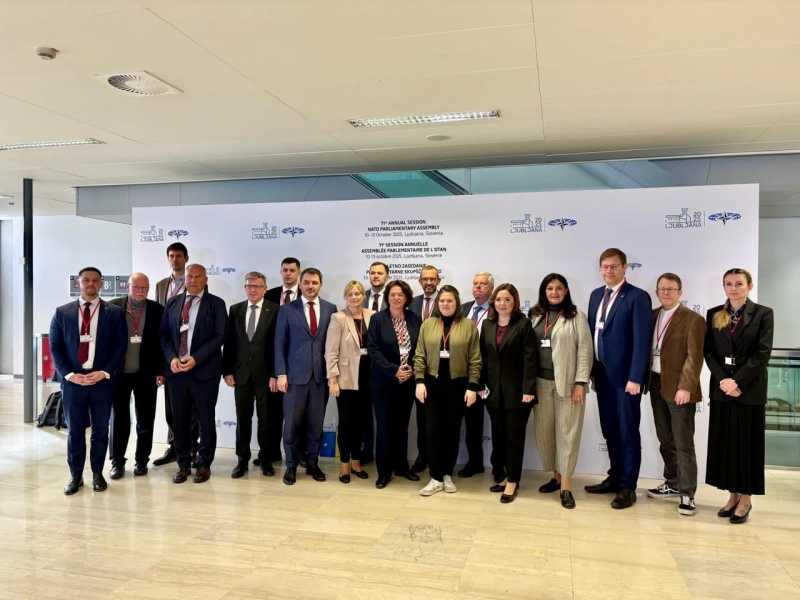
Ivanna Klympush-Tsintsadze noted that the NATO PA autumn session discussed many important reports prepared by parliamentarians and adopted by NATO PA committees. “The vast majority of them clearly, firmly and directly describe various elements of Russian threats to the European continent and the transatlantic community — from hybrid and information attacks to acts of sabotage on EU territory. They propose many different instruments for countering these threats. In almost all committees, Russia’s war against Ukraine is at the centre of attention,” she said.
According to her, a particularly important report — Ensuring a Just and Durable Peace for Ukraine by Italian parliamentarian Simona Malpezzi — was adopted. It outlines the red lines for a possible end to the war. The document states that a just and lasting peace is possible only if Ukraine’s sovereignty and territorial integrity are preserved; the aggressor is fully held accountable for war crimes; all deported persons, including children, are returned; Ukraine receives reliable international security guarantees (up to NATO membership); effective monitoring mechanisms are created to prevent renewed aggression; and a plan and resources are secured for post-war economic and infrastructure recovery — with no concessions or “rewards” to the aggressor that could create dangerous precedents. “This Parliamentary Assembly reaffirms its crucial role in shaping awareness of the issues that all Allies urgently need to address,” Ivanna Klympush-Tsintsadze said.
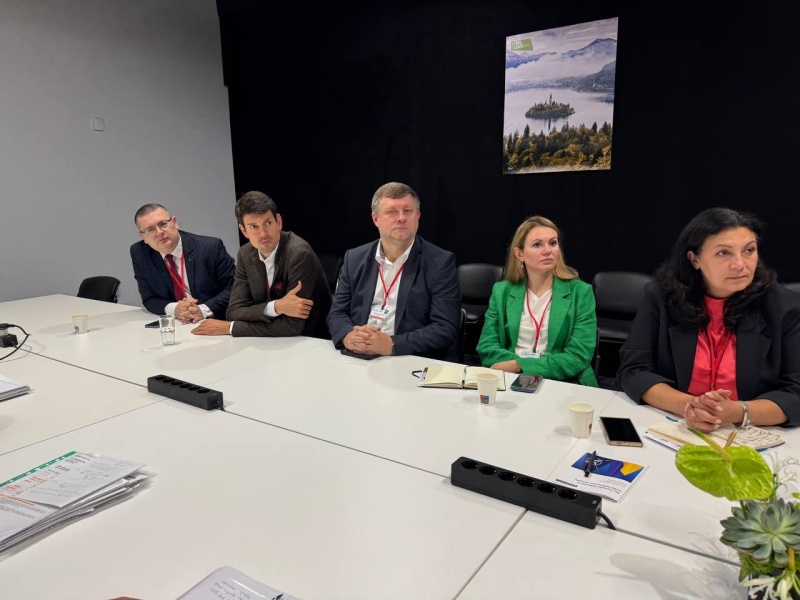
She noted that the Ukrainian delegation briefed colleagues on the security situation in Ukraine and on how Russia has changed its tactics in its attempts to destroy Ukraine’s capacity and resilience ahead of the winter season. “We discussed attacks on the energy system, on gas extraction facilities, and on economic enterprises that have nothing to do with the defence industry — yet attacks on them destroy our ability to provide people with jobs and collect taxes, and therefore to finance essential defence needs,” she said.
During bilateral meetings much attention was given to additional financial instruments needed by Ukraine — including direct investments in the defence industry, joint ventures, the removal of bureaucratic barriers in Europe to speed up procurement, and the need to increase weapons production in Allied countries. “We also urged partner countries to engage even more actively and effectively in weapons procurement for Ukraine — especially weapons that are not produced in Europe and must be purchased from the United States. There was also extensive discussion about the use of frozen Russian assets — both private and state-owned. We spoke about the need to strengthen sanctions pressure and to continue closing loopholes that allow sanctions to be bypassed. We stressed that without Russia’s strategic defeat in this war, it is unlikely that a long and stable peace can be achieved,” Ivanna Klympush-Tsintsadze said.
She added that discussions also touched upon the need to preserve democratic governance in Ukraine despite the challenges of wartime — as a precondition for the resilience of the state and for its successful integration into the European Union and, ultimately, NATO.